




By Reyna Estrada | Lansing News Wire
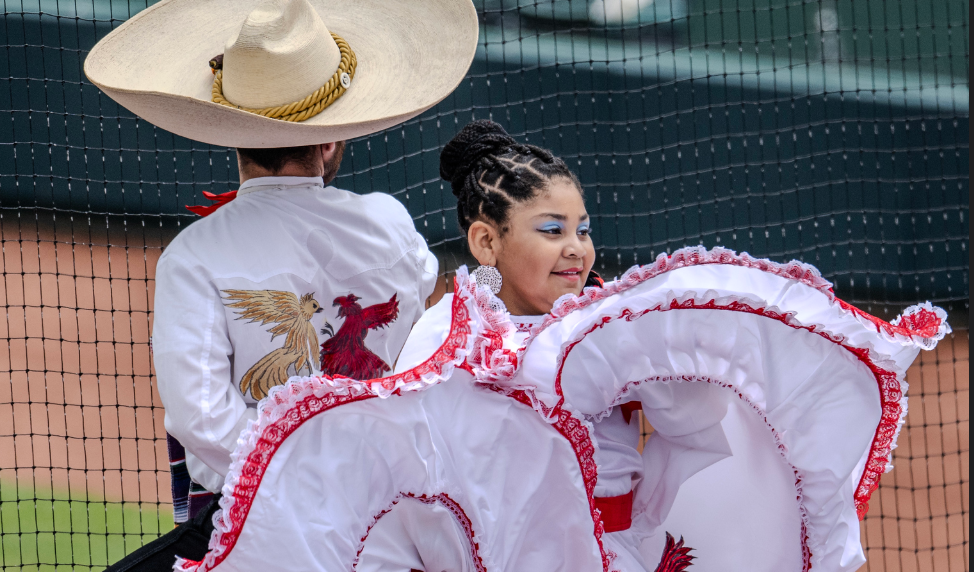
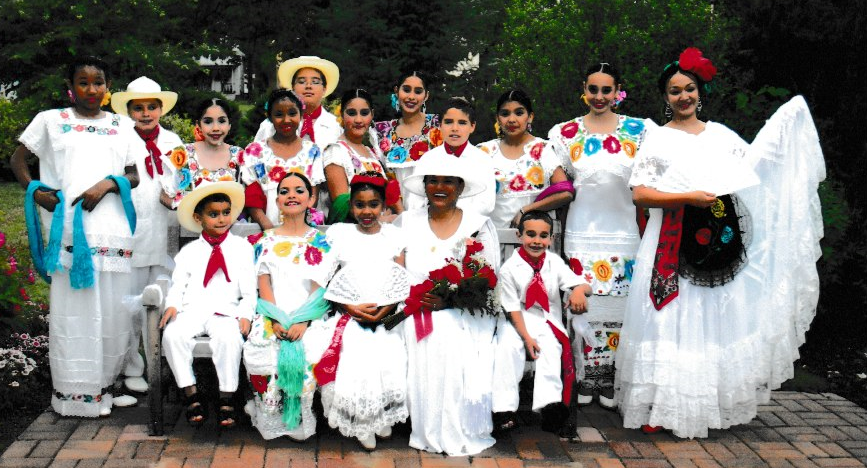
The dancers huddle together, performance nerves floating in the air. The women and girls are dressed in traditional Folklorico dresses with big skirts and bright colors and their hair is done up tightly in neat buns. Despite the nerves, however, it is time to perform, and as they take the stage, the history of Mexican culture and stories of generational dancers comes alive through their performance.
The dancers make up the group known as Ballet MariaLuz, a Folklorico dance group that has been active in the Lansing community since the 1980’s.
Ballet MariaLuz has become a leader in the Lansing community, working to celebrate and express Mexican culture.
“The role is to cultivate well-rounded individuals, skilled dancers [that are] culturally aware, confident and community engaged,” said MariaLuz Salas Arambula, Folklorico instructor and the group’s founder.
Folklorico is known to find inspiration from various regions in Mexico, featuring footwork performed in character shoes and big arm movements using long skirts and dresses. The dance form also uses foundational skills from ballet, including pointed toes, big movements and choreographed routines.
But more than that, the dances incorporate stories and other aspects that embody Mexican folk culture.
Arambula found it difficult to sum up her favorite thing about the art form.
“To see the joy it gives the audience, our heritage being showcased with enthusiasm, the skills it fosters, endurance due to the footwork,” she said. “The role of folklorico is to showcase the rich tapestry and diverse heritage which is often in various social events in Spanish speaking communities such as weddings, religious festivals, fiestas, local fairs and parades.”
And that is exactly what Ballet MariaLuz has been up to as of late, including a performance at the Lugnuts Stadium and at the 2025 Fiesta and Carnival. The group currently has 24 performing members and Arambula says that the group aims to transform the dancers into Folkoristas.
“A Folklorista is able to reflect [on] traditions, cultures and the beliefs of the people,” she said. “They promote history, the understanding of sensitivity and the importance of community engagement.”
The dancers gather once a week to practice at Foster Community Center and are constantly preparing for their lineup of performances. The ages of the dancers range from small children around five-years-old to adult dancers who meet at various times depending on their skill level.
Arambula said that many dancers prefer choreography with big skirts such as the Jalisco or Aguas Calientes dances but the group is always working on a wide range of routines.
Today, Arambula says she sees the Folklorico community growing.
“The role of the group in the Lansing community is without boundaries as many individuals I encountered have taken class from me and others that have ventured to form their own groups,” she said.
But for some families, the role of the dance group is strongly ingrained into the fabric of their culture through generational dancers.
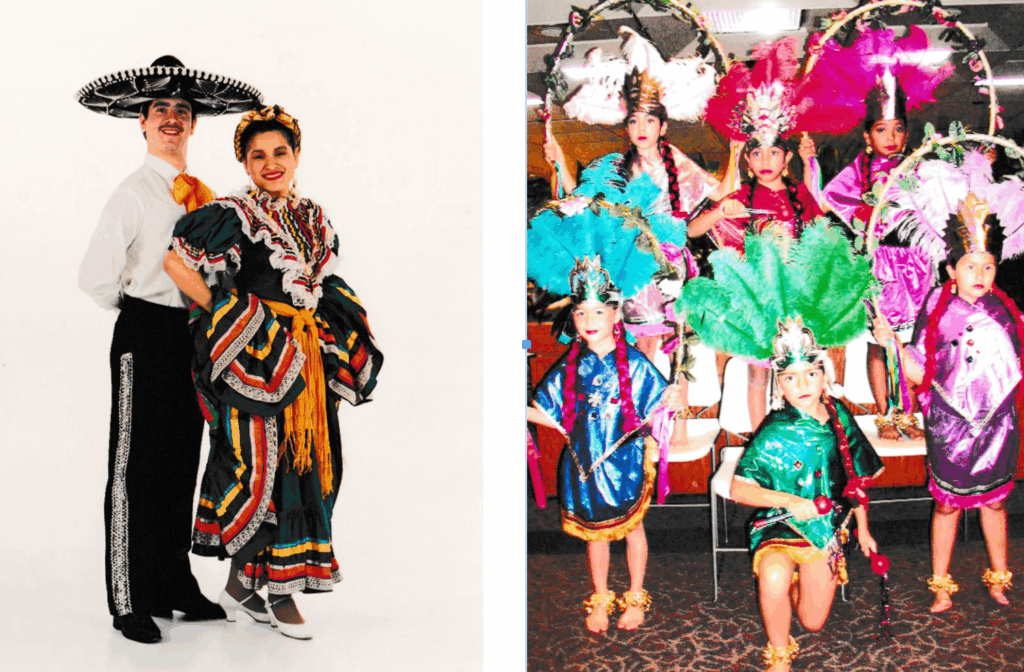
“The dance group has become generational over the years. Currently I have some grandchildren from the original dance members,” she said. “Also, moms of dancers registered, decided to sign up for class and are currently part of the performing dance group.”
The goal of the dance group to celebrate and express culture and traditions in the Lansing area first sparked after Arambula collaborated with different dance groups in the area and she began to miss the art form from her days in Texas. Arambula is originally from Rio Grande, Texas, where Folklorico is highly prominent.
Arambula has always been enchanted by dance and with her intensive dance background, she had them decided to start Ballet Maria Luz.
Arambula is skilled in various aspects of Folklorico dance and trained in classical dance like ballet as well as modern arts like Jazz. She has collaborated with various big names in Folklorico including Viva Venezuela and Ballet de Maria Kapenian.
“I have had the opportunity and privilege of being a Folklorista dance instructor at Foster Community Center since 1980,” she said. “My best memories are of parents collaborating, dancers and parents embracing the music and dances performances.”
Q&A with MariaLuz Salas Arambula
Q: Tell us a little bit about who Ballet Maria Luz is?
A: We are a performing group, formed by children, teenagers and adults. The goal is to offer Folklorico dance classes in an inclusive and supportive environment which aims to nurture and inspire. Classes are offered in Lansing, Michigan at Foster Community Center, a facility of the Lansing Parks and Recreation programs. Folklorico dance classes are available on Wednesdays, once a week during the months of March, April, May, September and October. The classes instill values of artistic development and challenging choreographies.
Q: How would you describe the overall mission and goals of the group?
A: The missions are the continuances of promoting heritage based on experience, research and academia.
Q: Do you believe Folklorico is an art form that should be continued to be passed down through generations?
A: Dancing to historical and current events preserves tradition yet shifting with the current times.
Q: Tell us a little about the importance of dance in culture, from your perspective?
A: Traditions and experiences are substantial components in all cultures; it is how values are preserved and formed.
Q: What advice do you have for young dancers?
A: Enjoy the love for the dance, prioritize developing strong technique, set goals, stay focused on personal growth.
 Raul Garcia